
Why zebras don’t get ulcers: What animals can teach us about handling stress

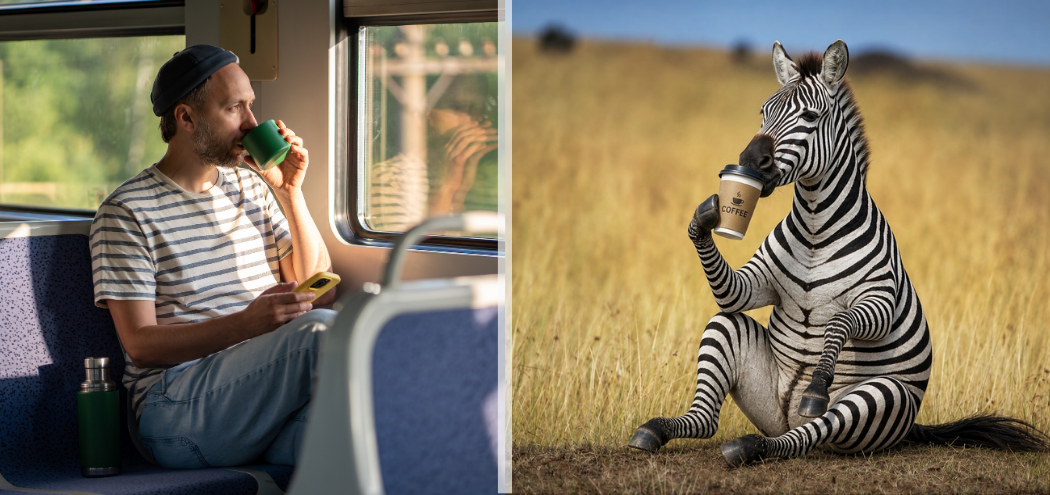
There is a book by a Stanford neuroscientist named Robert Sapolsky called Why Zebras Don’t Get Ulcers. The title is a joke — of course zebras do not get ulcers — but the argument is serious. Zebras, and most wild animals, do not develop the chronic stress-related conditions that plague humans: high blood pressure, chronic pain, digestive problems, exhaustion that no amount of sleep seems to fix.
This is not because zebras have easy lives. A zebra can be running for its life from a lion one minute. But when the threat is over, the zebra literally shakes it off and goes back to grazing. The stress response is activated when it’s needed, and then it comes to an end. The body discharges, the nervous system returns to baseline, and life continues.
Humans, unfortunately, do not do this. We activate the same ancient stress response (release of cortisol, racing heart, tight muscles, and so on) but often for problems we cannot run from or fight: a difficult email, a worrying headline, the state of the world. The body prepares to act, but there is nothing to act on. The stress response is activated but it doesn’t complete. It happens again, and again, day after day, until the body settles into a low-grade version of alarm.
The question is: can we do what the zebras do? Can we finish what our bodies start? Can we give the stress response the discharge it needs so it does not stay?
Over the next few weeks, we will attempt to do just that.
What animals know
In the animal world, the moves that we might perceive as cute animal behavior are actually necessary movements that animals need to process stress. For example, a deer that has just escaped danger will stand still for a moment and then let a full-body tremble roll through from nose to tail; a dog that has just been in a scary encounter with another dog will often do a big, whole-body shake, sometimes followed by a deep sigh; a bird that has been startled will fluff its feathers and shudder them out. All of these are signs of the nervous system completing its own cycle and moving the stress through the body and out, so it does not stay.
Humans used to know how to do this too. Somewhere along the way, we lost it. We were taught to hold it together, to stay composed, and to not make a scene. And these holding patterns get stored, layer by layer, in shoulders, jaws, and lower backs. The stress does not go anywhere; it just settles in.
How yoga can help
Over the next several weeks, we will feature short yoga practices with some simple movements that imitate the animal’s response to stress while linking the type of movement to the essential elements. If you pay close attention, you will notice that stress moves through us in four fundamental ways, and each of them has its own kind of movement.

- Sometimes we need to burn something off by manifesting the fire of active discharge, the shake, the stomp, the exhale with force.
- Sometimes we need to let something flow through to experience the water of undulation, sweeping, rocking, the softness that lets held tension move.
- Sometimes we need to plant our feet to release the weight downward, to feel a steady contact with the earth beneath us.
- And sometimes we need to make space to feel the fullness of breath, the spaciousness of air, of the rib cage expanding after a long day of small breathing.
These are the four elemental modes the body is already comfortable with: fire, water, earth, and air. According to the Ayurvedic tradition, this is what we are made from and what we need to regulate within ourselves.
About the upcoming practices
Each post in this next stretch will be short and simple. It will include a short video that walks you through some easy movement reminiscent of the animal stress-relieving action, a bit of breath work, and a short visualization or moment of stillness. Each practice will be organized around one specific element: fire, water, earth, or air, and will invite you to embody it.
Try these simple practices for yourself and see if you can complete the stress cycle the way the zebra does.

Check out our collection of posts on stress, its impact on the body, and the quiet work of staying well when the world refuses to make sense. It is rooted in salutogenic research and yoga therapy.
References
- Robert M. Sapolsky, Why Zebras Don’t Get Ulcers (1994)
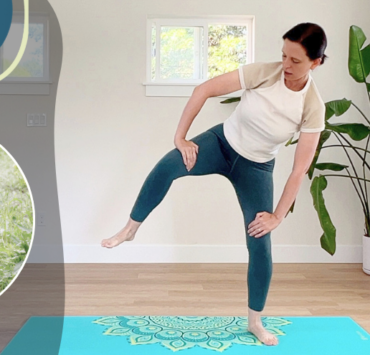

The four movement options make this easy to try without turning it into another big routine. I especially like the “water” idea — a few minutes of gentle rocking after a tense day can feel more doable than sitting perfectly still.