
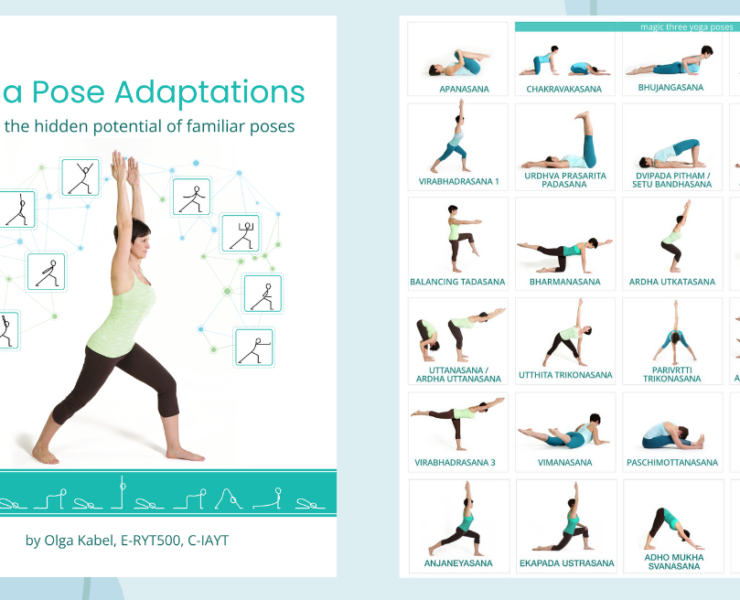
Imagine that you want to work with the upper back in tomorrow’s class. Which movements would you choose, and which poses can you add them to? What if a student mentions her painful shoulder, and the version of the pose you had in mind is off the table? Planning ahead or adjusting on the fly, it helps to know what options we have for each yoga pose.
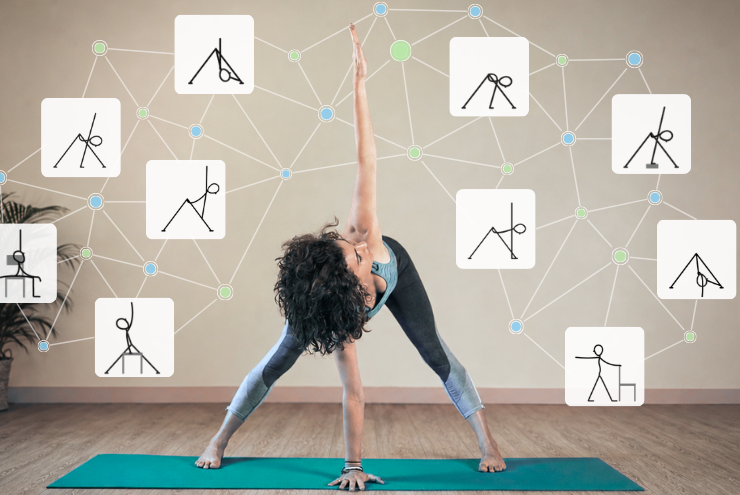
Most yoga poses in their current form are surprisingly recent, developed in the early 20th century with elements from gymnastics, military drills, and physical culture. Their shapes aren’t sacred, which means we can adapt them for our own purposes. Learn how to get more out of the poses you already know.
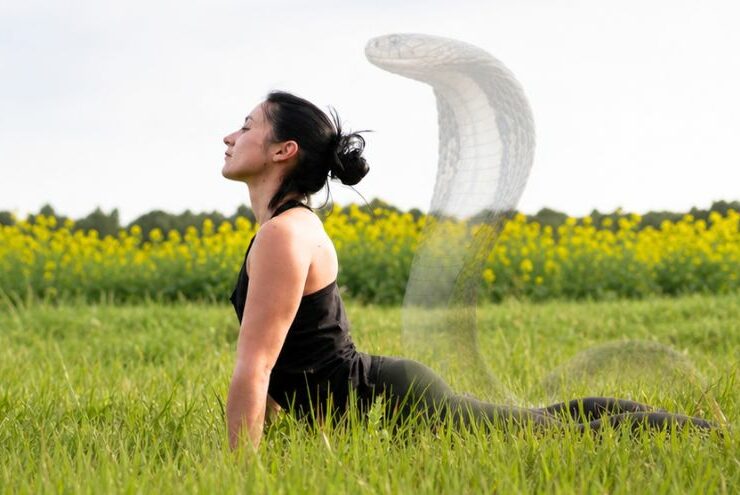
Our nervous systems know what the intellectual mind might have forgotten: we are not separate from the natural world, and we feel best when we are inside it or it is present in our living environment. There is a reason so many yoga poses are named after animals and organic shapes: it allows us to embody nature and settle our nervous system.
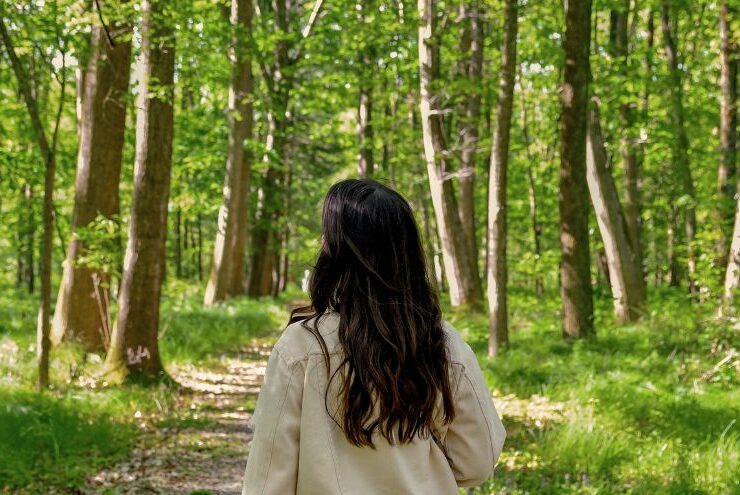
When you spend time in the woods, something happens in your body and mind: your shoulders relax, your breathing becomes deeper, and the mind stops chasing itself. What is going on? It is not just fresh air or exercise. There is something specific happening to the tired part of our attention when we notice the shifting of light and the movement of leaves.

Wild animals experience enormous stress, but they don’t develop the chronic version we do. They know how to shake it off. What if we could do it, too? Today we begin a new series of short practices to shake off stress in a way that works for you.

For most of modern medicine, the question has been what makes people sick? In the 1970s, Aaron Antonovsky asked a different one: what keeps people well, especially when life is hard? His answer is one of the most useful frameworks we have.

Where does meaning come from when the story we used to tell ourselves stops working? Modern writing often directs us toward finding our purpose. The yogic tradition takes a different approach: meaning lives in us at seven different levels at once, and when one runs dry, others remain.
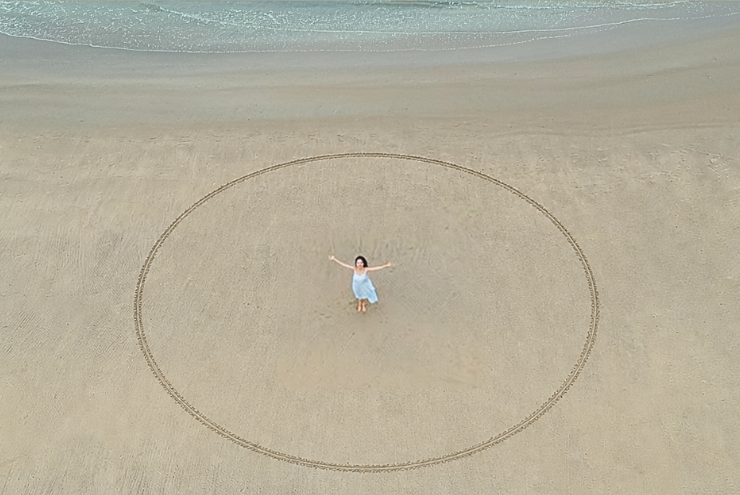
Many of us treat worry as proof of love. But fretting is not caring — and the more we fret about what we can’t control, the less energy we have for what we can. How do we care about a hard world without fretting ourselves into exhaustion?

The lower back sits at the middle of everything anatomically, energetically, and emotionally. It is one of the first places stress lands. Most of us treat back pain as purely mechanical, but the story is almost always more layered than that.

Your brain is a prediction machine, constantly scanning for patterns so the body can relax. Right now, the world keeps breaking those predictions, and our nervous systems are paying the price. There’s a name for this kind of moment that might help explain it.

Why do some people stay well, even when life is genuinely hard? In the 1970s, a medical sociologist asked that question and changed how we think about stress. His answer — the Sense of Coherence — feels especially useful right now, when the world refuses to make sense.
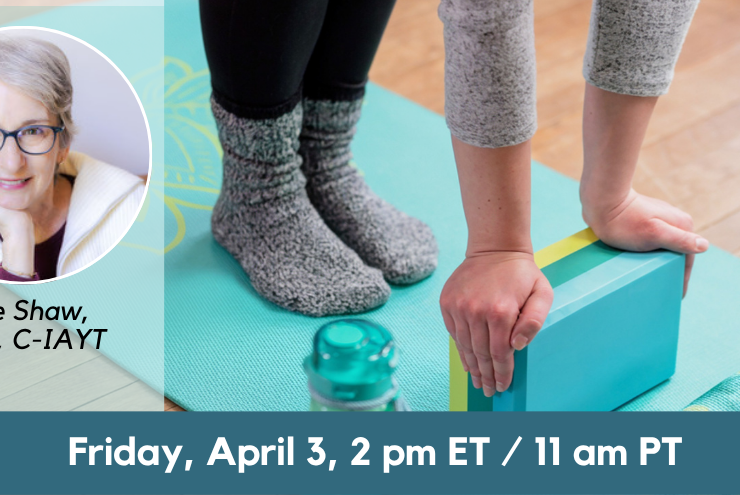
What does it mean to show up on your mat when life has just handed you one of its hardest challenges? Join us for a very special live conversation with Julie Shaw, C-IAYT, a yoga therapist and author who drew on her own experience with cancer to write a candid, practical guide for anyone navigating illness or supporting someone who is. This conversation is for yoga teachers and therapists, for those who work with people facing illness, and for anyone navigating a difficult season of their own.

Yogis say that where the mind goes, the body follows. Discover how visualization — grounded in both science and yoga philosophy — can be a powerful, empowering self-help tool for people navigating cancer treatment and other life challenges.
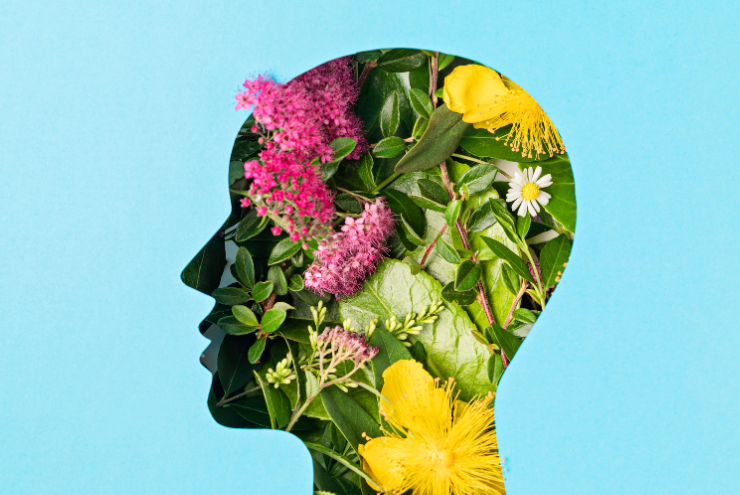
Serious illness doesn’t just drain your body — it erodes the mental strength you need most. Discover how a simple positive imagery practice helped yoga therapist Julie Shaw “bank” good energy during breast cancer treatment, and why anyone facing life’s inevitable challenges can use this same tool to build lasting inner resilience.

Brain fog, mood shifts, memory lapses — these aren’t “just stress.” They’re your brain responding to fluctuating estrogen levels. Understanding the neuroscience behind perimenopause changes everything about how you navigate it. Here is what’s really happening and why it matters.

Perimenopause isn’t just a hormonal shift—it’s a neurological transition. As estrogen fluctuates, the brain must redistribute its energy, influencing everything from memory and mood to sleep and temperature regulation. What if, instead of fighting “symptoms,” you understood the deeper system-wide changes unfolding within you?

The way we experience menopause today didn’t happen by accident. It was shaped, often badly, by history, medicine, and culture.

There’s a quiet demographic shift happening, and it’s a major one. By 2030, one billion women worldwide will be in or entering menopause. In fact, women of menopausal age are the fastest-growing demographic group. Even more striking? Most women will spend roughly 40% of their lives in menopause.

How often do you really squat? This simple four-stage squat test helps you explore your leg strength, balance, and mobility. Try it at your own pace to better understand your body and move more easily as you age.

What if one clear intention could guide your year? Learn how to create an intention tray—a simple, visual reminder that helps you stay aligned with what truly matters to you.