
Menopause: The life phase no one prepared us for


There’s a quiet demographic shift happening, and it’s a major one. By 2030, one billion women worldwide will be in or entering menopause. In fact, women of menopausal age are the fastest-growing demographic group. Even more striking? Most women will spend roughly 40% of their lives in menopause.
And yet… how much were you really taught about it?
For most of us, menopause was framed as a biological end point—the end of periods, fertility, and relevance. Something to “get through,” preferably without making too much noise. But that narrative barely scratches the surface.
As neuroscientist Lisa Mosconi, PhD, writes in The Menopause Brain:
“Most people are aware that menopause marks the end of a woman’s menstrual cycle… But when the ovaries close up shop, the process has far broader and deeper effects… menopause impacts the brain just as much as it impacts the ovaries—directly and powerfully.”
This isn’t just about hot flashes or missed periods. The hormonal changes during menopause affect the brain structure, regional connectivity, and overall brain chemistry. That can make for a profoundly mind-blowing mind-body experience. These changes impact our memory, mood, sleep, energy, focus, emotional resilience—our whole inner world. And these changes don’t wait until menopause officially begins. Perimenopause, which can start years (sometimes a decade) earlier, is the opening act.
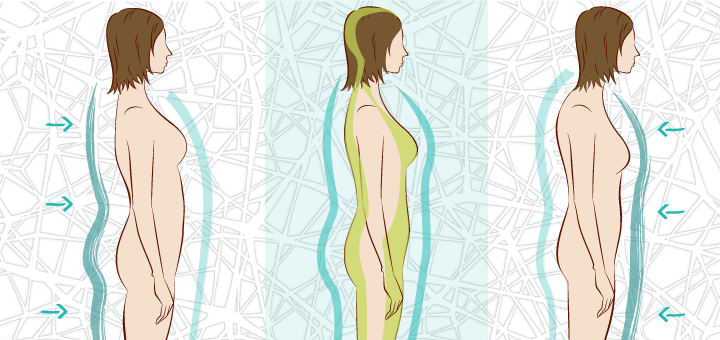
Mosconi writes: “Perimenopause is the warmup act to menopause.”
If so many women are moving through this life phase—and living in it for decades—why does it still feel so invisible, misunderstood, or dismissed?That question leads us straight into history.

Check out this post for a brief (and eye-opening) look at how menopause has been misunderstood, medicalized, and minimized for centuries—and how those outdated ideas still shape the way women are treated today.