
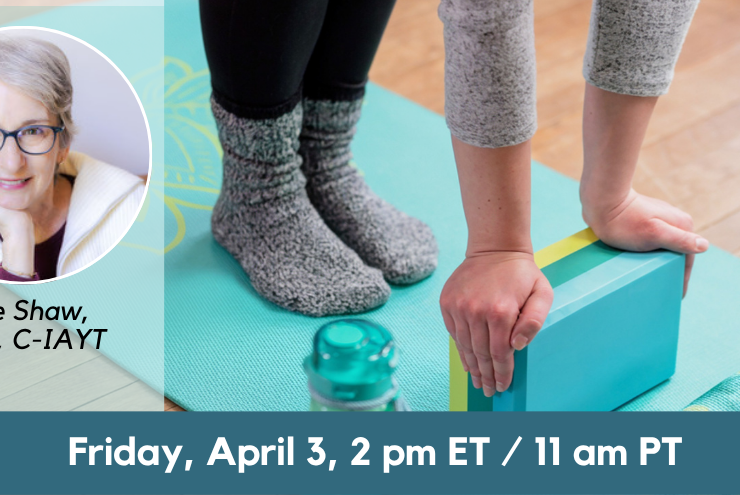
What does it mean to show up on your mat when life has just handed you one of its hardest challenges? Join us for a very special live conversation with Julie Shaw, C-IAYT, a yoga therapist and author who drew on her own experience with cancer to write a candid, practical guide for anyone navigating illness or supporting someone who is. This conversation is for yoga teachers and therapists, for those who work with people facing illness, and for anyone navigating a difficult season of their own.

Yogis say that where the mind goes, the body follows. Discover how visualization — grounded in both science and yoga philosophy — can be a powerful, empowering self-help tool for people navigating cancer treatment and other life challenges.
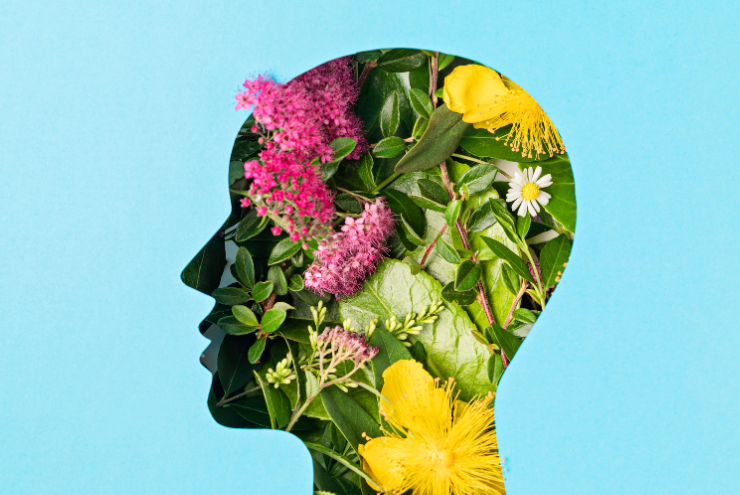
Serious illness doesn’t just drain your body — it erodes the mental strength you need most. Discover how a simple positive imagery practice helped yoga therapist Julie Shaw “bank” good energy during breast cancer treatment, and why anyone facing life’s inevitable challenges can use this same tool to build lasting inner resilience.

Brain fog, mood shifts, memory lapses — these aren’t “just stress.” They’re your brain responding to fluctuating estrogen levels. Understanding the neuroscience behind perimenopause changes everything about how you navigate it. Here is what’s really happening and why it matters.

Perimenopause isn’t just a hormonal shift—it’s a neurological transition. As estrogen fluctuates, the brain must redistribute its energy, influencing everything from memory and mood to sleep and temperature regulation. What if, instead of fighting “symptoms,” you understood the deeper system-wide changes unfolding within you?

The way we experience menopause today didn’t happen by accident. It was shaped, often badly, by history, medicine, and culture.

There’s a quiet demographic shift happening, and it’s a major one. By 2030, one billion women worldwide will be in or entering menopause. In fact, women of menopausal age are the fastest-growing demographic group. Even more striking? Most women will spend roughly 40% of their lives in menopause.

How often do you really squat? This simple four-stage squat test helps you explore your leg strength, balance, and mobility. Try it at your own pace to better understand your body and move more easily as you age.

What if one clear intention could guide your year? Learn how to create an intention tray—a simple, visual reminder that helps you stay aligned with what truly matters to you.

The ability to sit down and rise without support is a significant indicator of health and longevity. This video demonstrates three different ways to get down to the ground and back up again. Each variation challenges your strength and flexibility in unique ways, using different muscle groups and movement patterns. Try each method and notice if you are able to do all of them.

Feeling stiff or achy? Your joints may be missing out on their full range of motion. Discover how joint mobilization, which is different from stretching or strength training, can restore flexibility, boost circulation, nourish cartilage, and keep your body moving freely.
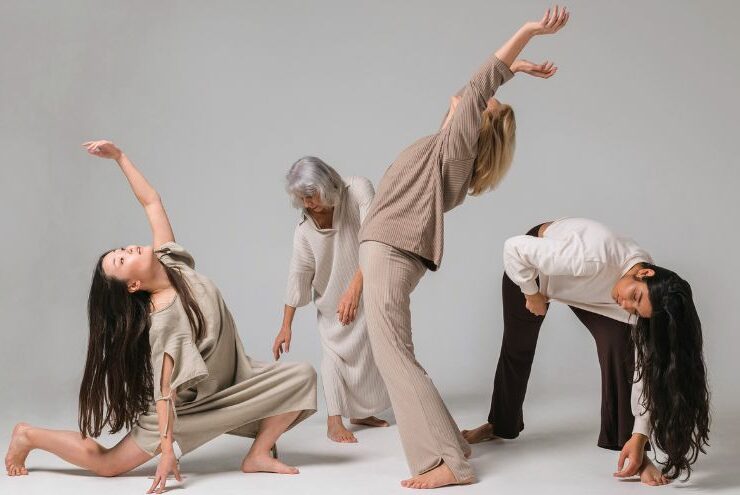
Fascia is the connective tissue that weaves through and surrounds your muscles, bones, organs, and nerves, linking every part of your body into one continuous network. More than just wrapping, this intricate web transmits tension and force, keeping you upright, coordinated, and mobile. Here is how you can keep it hydrated and healthy.

What kind of activities do you still want to be able to do in 15-20 years and beyond? Functional training helps you move better in real life. Here are some movements it needs to include.

Movement in middle age isn’t about chasing performance. It’s about creating a sustainable relationship with your body; one that supports your daily life, protects your health, and prepares you for the decades to come. And while any movement is better than none, intentional movement is transformative. Here are the five key elements that a well-rounded movement routine needs to include.

It is essential to resolve your day before going to bed because it helps calm the mind, reduce mental clutter, and prepare your nervous system for deep rest. Here are three simple strategies to help you resolve your day, so you can unwind, sleep better, and wake up refreshed.

Progressive relaxation uses a body-first approach to calm the mind. By consciously relaxing your body part by part, you signal safety to your nervous system, breaking the stress loop and promoting rest. With practice, it can help you fall asleep quickly and sleep more restfully.

Are you feeling the effects of too much screen time? Eye strain can lead to headaches, neck tension, and poor sleep. Learn simple yogic techniques to relax your eyes, ease tension, and support better rest.

In today’s digital era, many of us find ourselves sitting for hours—whether at a desk, in front of a screen, or on the couch. Our bodies are built for movement, and extended periods of sitting can take a toll on our posture, muscles, and overall well-being.

The food choices we make undoubtedly impact our health and wellness, but those benefits can get lost in the ongoing debate over “which food cures the most symptoms” or “my diet is better than yours.” Here are three key factors to consider when using food as fuel to support your body’s energy levels and healing capacity.

A human being is an open system that takes in energy from the environment, transforms and organizes it, and then releases it, impacting the surroundings. Yogis have been talking about this process for centuries. It’s beautifully captured in the Pancha Vayu Model, which describes the flow of energy into, throughout, and out of the body.