


Beyond strength and stretch: The vital role of fascia in movement and aging

Fascia is the connective tissue that serves both as a bag that holds muscles, bones, organs, and other tissues, and the packing material in between those structures. Fascia links all physical structures together into one continuous network. This intricate web doesn’t just wrap around things, it transmits tension and force across multiple structures, helping your body stay upright, coordinated, and mobile. Think of it like a circus tent: the whole structure depends on evenly distributed tension through all the ropes to remain upright. Your body works the same way.
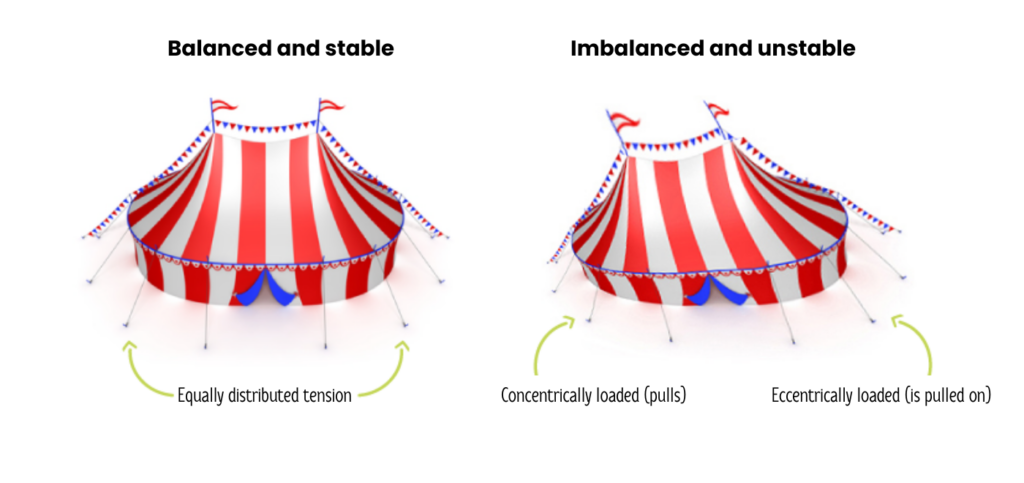
Because fascia is so integral to posture and movement, it’s also a major player in why your body “gets stuck” in habitual positions or develops asymmetries. The body adapts to the loads you put on it and overtime assumes patterns of uneven tension that shape how you move and feel over time.
But fascia is far from passive. It’s a dynamic, intelligent tissue that influences movement, posture, sensation, and even energy storage. When it’s healthy, fascia is hydrated, elastic, and responsive. It allows your muscles to glide easily and movement to feel light and effortless. When it becomes stiff or dehydrated (from inactivity, stress, or simply aging), it loses that elasticity and can become a source of fatigue, discomfort, and restriction.
From a biomechanical perspective, fascia functions like a tensile network that stores and releases elastic energy, much like a spring. When you move, particularly in dynamic, rebounding motions (like walking, running, or bouncing), your fascia stretches slightly and then recoils, helping to conserve and return energy. This “preloading” of fascia reduces the workload on your muscles and contributes to efficiency and endurance.

In practical terms, this means that well-hydrated, responsive fascia helps you:
- Move with less effort
- Feel lighter and more energized
- Reduce the risk of injury
- Recover more quickly
- Maintain resilience under physical stress
As we age, fascia naturally becomes drier and less elastic, which can lead to stiffness, achiness, and that “creaky” feeling in the morning. This loss of fluidity affects how easily tissues slide over one another and can drain not only physical energy but mental and emotional vitality as well. By intentionally moving in ways that hydrate and “retrain” the fascia, we can restore some of its natural bounce and elasticity. This not only helps improve movement and reduce discomfort, but also renews your sense of vitality and fosters a deeper sense of awareness of your body.
To keep your fascia hydrated, resilient, and responsive, try incorporating movement that:
- Involves dynamic, multidirectional motions (not just repetitive, linear exercise)
- Includes gentle shaking, spiraling, and swaying
- Encourages full-body coordination and awareness
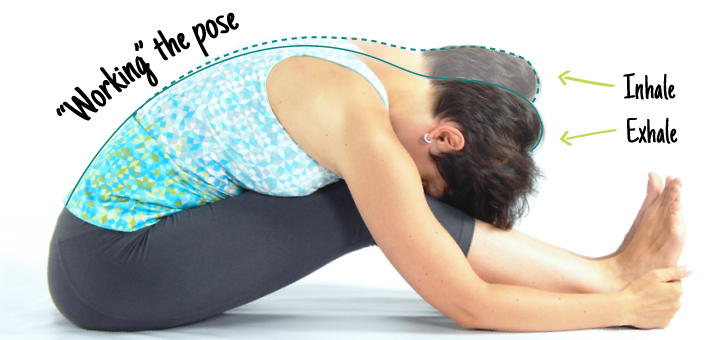
- Integrates breath with movement to support fluid flow and oxygenation
- Allows for rest and recovery, so fascia has time to remodel and adapt
Most healthy aging programs focus on cardio, strength training, and stretching, while fascia often gets overlooked. Even in yoga, many practices emphasize building strength or flexibility more than cultivating fluidity. Yet fascia lies at the heart of how we move, how we feel, and how we age. By caring for this living network of connection, we do more than improve flexibility — we awaken a hidden reservoir of energy and vitality. Healthy fascia supports us in moving through life with greater ease, balance, and resilience.

In this short yoga practice, we focus on enhancing the gliding quality of fascia through smooth, fluid movements that involve the whole body and explore multiple planes of motion. This helps train connective tissues to adapt and glide in all directions.

In this short yoga practice, we focus on rehydrating the tissues through gentle, fluid movement and rotational patterns that target the spine. By moving the body through multiple directions and ranges, and rotating the spine, we help stimulate fluid exchange and restore the natural suppleness of the connective tissue.