

Move smart, live well: A midlife movement framework that works

Study after study confirms what many traditions have long known: movement is essential to human health and well-being. Think of it as nature’s most effective, all-purpose medicine, a “magic pill” that improves nearly every system in the body and mind. Movement keeps our muscles strong, our joints supple, our bones dense, our blood circulating, and our immune systems more resilient. It uplifts our mood, enhances our energy, clears our mind, and helps us gain perspective when life feels overwhelming.
As we age, this need for movement doesn’t go away; on the contrary, it becomes more important. Aging brings gradual changes: muscles begin to weaken, joints stiffen, balance declines, and the body becomes less efficient at both performing and healing. Without consistent and intentional movement, these effects can compound over time. The good news? Many of these changes can be slowed and even reversed through regular, mindful movement.
Today, we have no shortage of options when it comes to movement. YouTube, fitness apps, and social media platforms offer an endless stream of exercise routines, ranging from weightlifting and high-intensity interval training to yoga routines and tai chi practices, and everything in between. While this wealth of information can be helpful, it can also be overwhelming.
How do you know what’s right for you, especially in middle age, when your needs are different from those of a 20-year-old gym-goer? The key is to start with a clear understanding of what the body and mind truly need during this stage of life.
A well-rounded movement routine for anybody in their 40s, 50s, and 60s needs to include some combination of the following key elements:
1. Basic movement
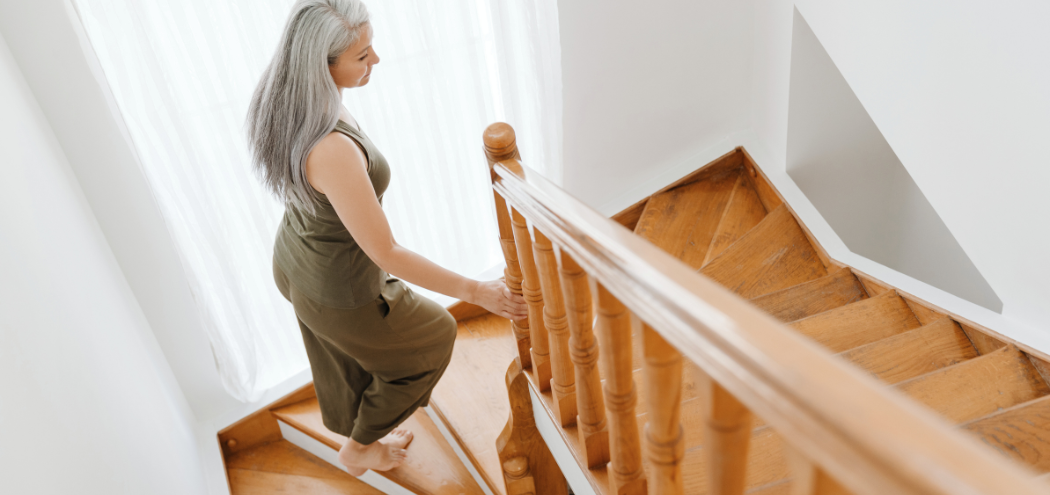
Basic movement, such as walking, going up and down the stairs, or simply moving the upper body and arms, plays a vital role in keeping the body supple and energized. These small, everyday actions stimulate blood flow, which delivers oxygen and nutrients to muscles and joints, helping them stay flexible and reducing stiffness. Regular movement also activates the lymphatic system, supporting the body’s immune function. Additionally, even light activity helps trigger the release of endorphins and improves circulation, which can enhance mental alertness and physical energy. Regular, simple motion forms a foundation for overall well-being.
2. Functional Strength
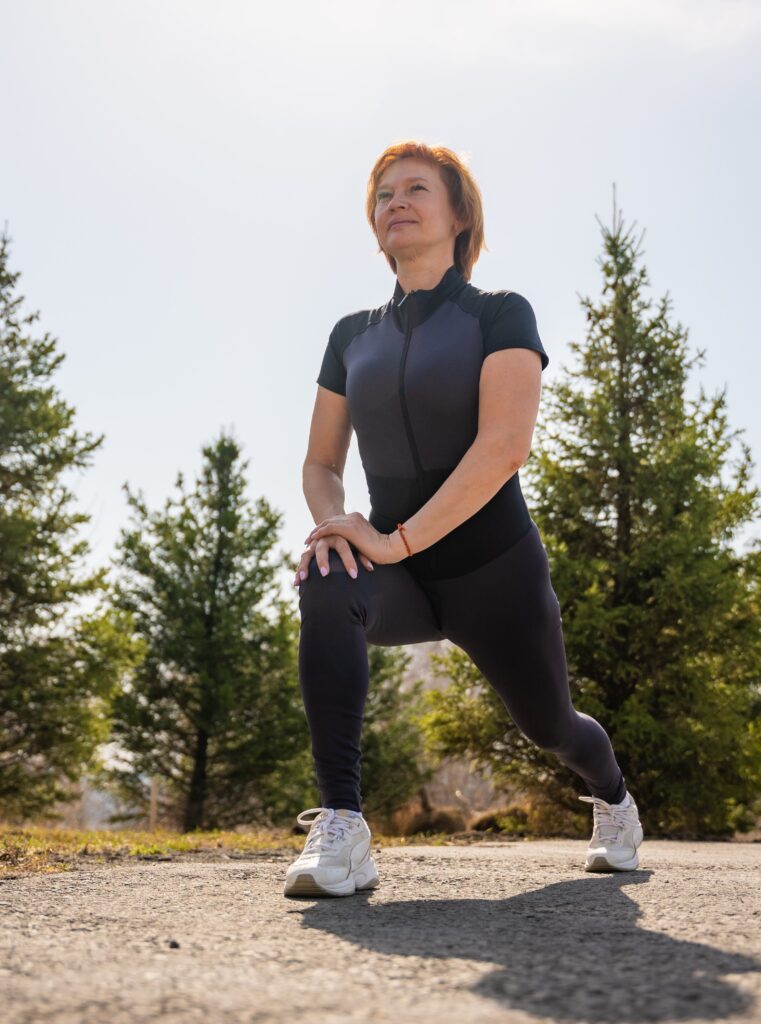
You don’t need to lift heavy weights at the gym to build strength, but you do need to maintain the ability to squat, lift, reach, carry, and push. These are the basic movements of life, and they’re critical for staying vibrant and injury-free as we age. Strength isn’t just about visually developed muscles; it’s about getting up from a chair without hesitation, lifting your luggage up into an overhead compartment of the airplane with ease, carrying groceries without getting winded, and, in general, feeling strong and capable.
3. Fascia Hydration
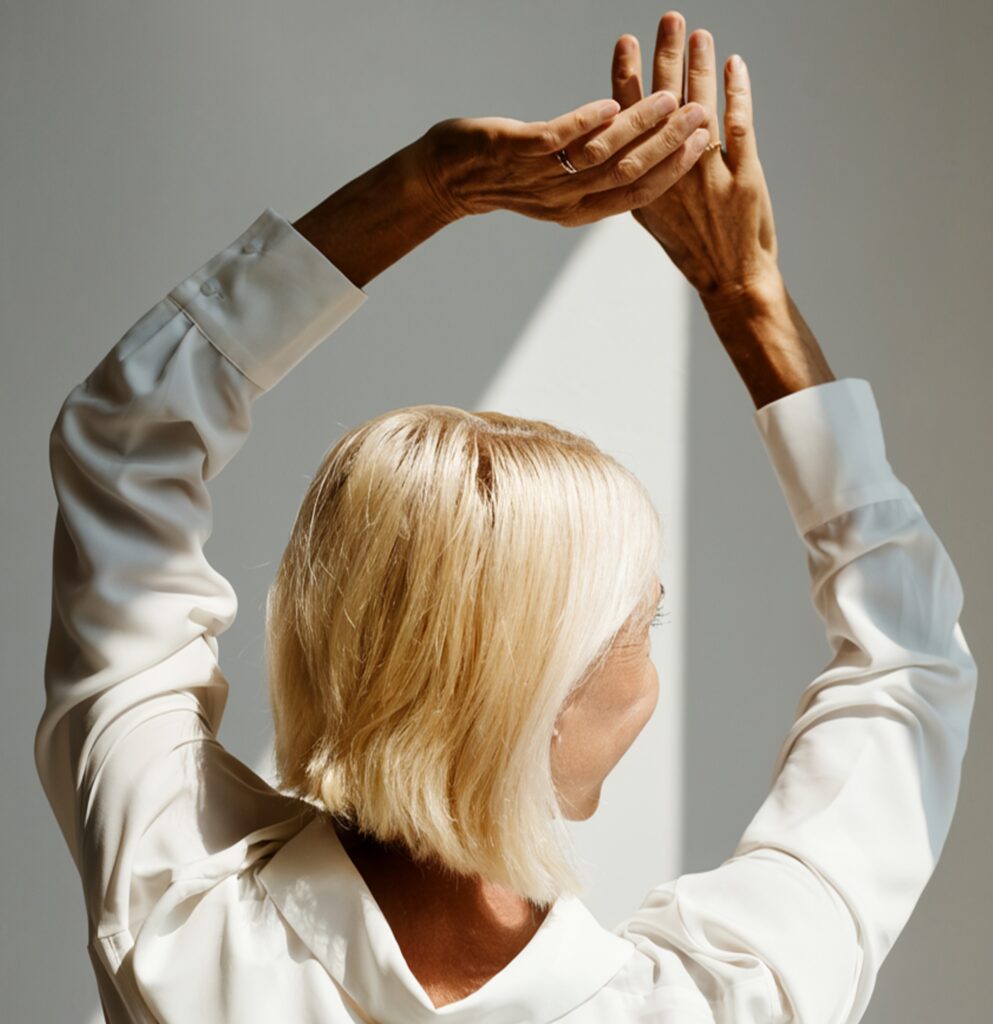
Fascia (the connective tissue that wraps around muscles and organs) tends to become sticky and stiff with age or lack of movement. This can create a general feeling of tightness or sluggishness in the body. Moving in multidirectional ways that “hydrate” the fascia helps restore the natural glide between tissues, improving comfort and flexibility. Fascia is also your body’s hidden energy bank, which reduces the workload on your muscles during rebounding movement (like walking) and contributes to efficiency and endurance.
4. Joint mobility
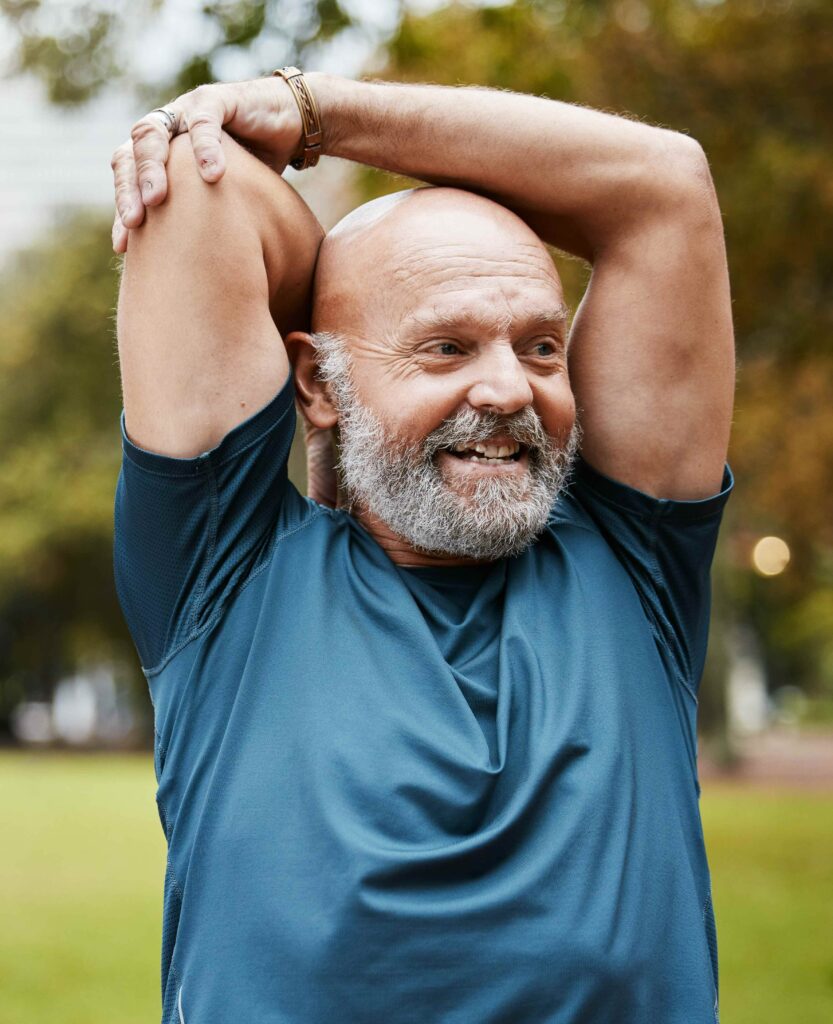
Working on your joint mobility and overall flexibility is not just about relieving morning stiffness or being able to touch your toes. It’s about maintaining the full range of motion your body needs to move efficiently and without pain. When joints are mobile and muscles are flexible, daily tasks—from bending down to tie your shoes to reaching for something on a high shelf—become easier and less likely to cause strain or injury. Improved mobility also enhances posture, balance, and coordination, which are crucial for long-term well-being. Over time, consistent attention to flexibility can help prevent chronic pain, improve performance, and support a more active, energetic lifestyle.
5. Balance / Stability
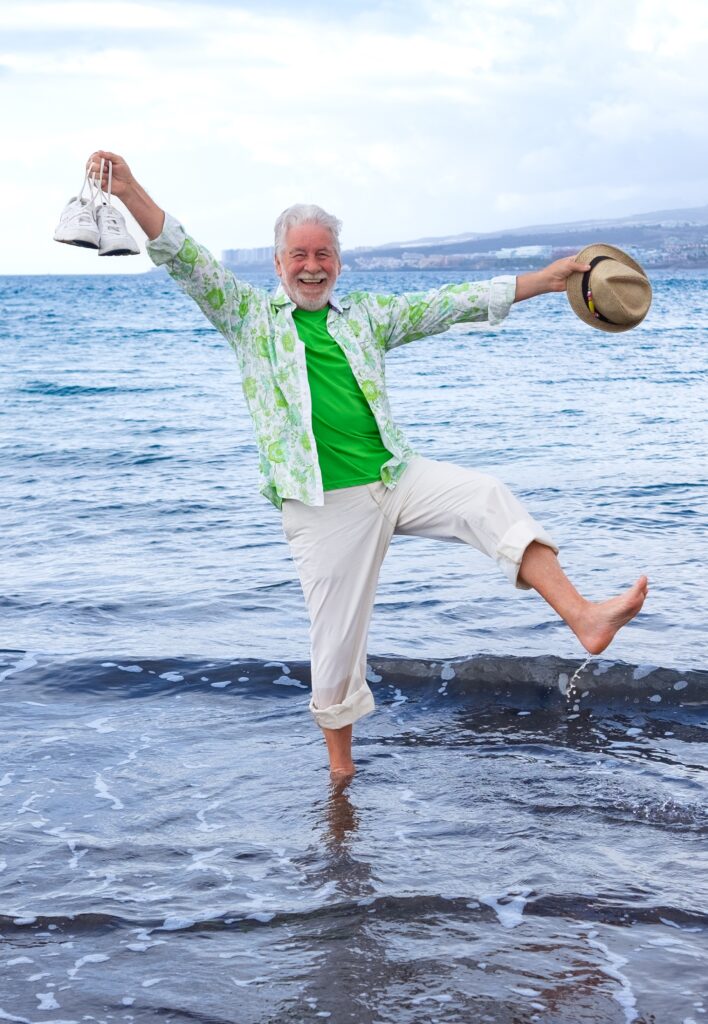
Balance isn’t just about standing on one foot—it’s the foundation of nearly every movement you make. From climbing stairs and playing sports to hiking or simply getting out of bed, good balance helps you stay safe, steady, and active. Balance training enhances our sense of equilibrium, strengthens the body, and promotes coordination between different parts of the body. In addition, balance training helps us develop stability, internal awareness, spatial orientation, and focused attention, which become even more important as we age.
Movement in middle age isn’t about hitting fitness goals or chasing performance. It’s about creating a sustainable relationship with your body; one that supports your daily life, protects your health, and prepares you for the decades to come.
And while any movement is better than none, intentional movement is transformative. By focusing on basic movement, functional strength, fascial resilience, joint mobility, and balance, you can build a movement practice that meets you where you are and helps prepare you for what lies ahead.
Over the next few weeks, we’ll take a closer look at the elements mentioned above and introduce specific key movements you can start incorporating into your routine right away. Even better, we’ll show you how to combine multiple elements within a single practice so they support one another and deliver maximum benefit. Tune in!


Thank you.