
Additional resources for My Personal Yoga Practice Journal
Ten types of practices
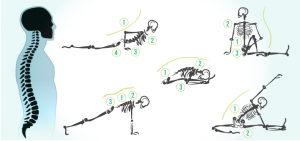 How do you know what a yoga pose is meant to accomplish?
Any balanced yoga practice needs to move the spine through the full range of motion. This post covers the five directional movements of the spine and what we use them for.
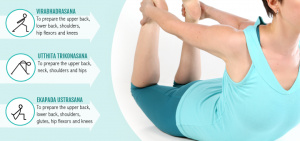 How to create a yoga practice to prepare for a difficult posture
Any complex/intricate yoga pose requires specific preparation. As yoga teachers we have the responsibility to both analyze the biomechanics of movement in any difficult posture and try to foresee potential risks that it has for the body
 How to create a target yoga practice for a specific body area
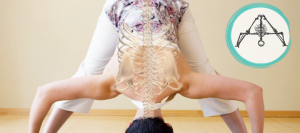
Let’s explore what it takes to design an effective practice to target a specific body area. The steps will be the same regardless of what part of the body you are interested in addressing.
 How to design a yoga practice for a specific activity
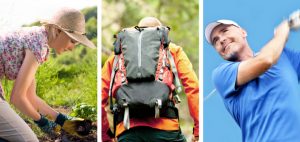
Convincing a student to do some yoga to prepare or to compensate for an activity that they already enjoy doing is much easier then to begin a general home practice. It needs to be short enough not to be threatening, yet long enough to make a difference.
 What do seniors need in a yoga class?
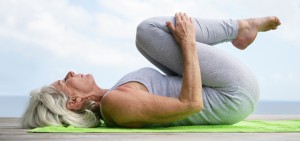
Older adults do and should practice yoga; after all, “If you can breathe, you can practice yoga.” Certainly, older students will have different needs, and this is what we discuss here.
 8 steps to design a breath-centered practice
If you want a lasting sense of stability, consistent energy and resilience, you need to integrate pranayama into your regular yoga practice. Here is how to do it for maximum effectiveness.
 How to use yoga to energize or unwind
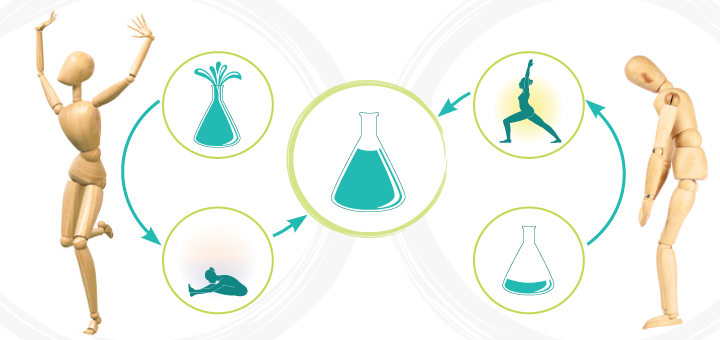
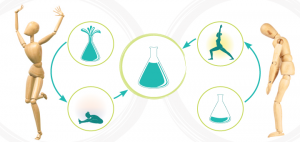
One of the most overlooked and misunderstood ways of working with energy in a yoga tradition is the Brhmana-Langhana model. Even if you’ve never heard the words, you’ve probably been teaching it intuitively for years.
 Extend your yoga beyond the physical: How to design an integrative practice
Integrative practices are more difficult to design and implement because the teacher has “more balls in the air” so to speak, which makes it harder to juggle. It takes time to develop the skills of artfully combining multiple yogic elements into a cohesive integrated whole.
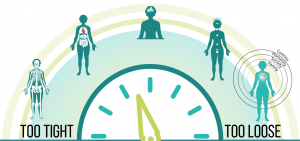 Do you need tightening or loosening? Stability and ease at every level of the human system
We need balance between stability and ease at every level: physical body, physiology, mental process, emotional responses and spiritual longing. Too much stability without ease leads to rigidity and stagnation; and too much flexibility without a stable base means that we can easily be thrown off balance.